


Product recommendation
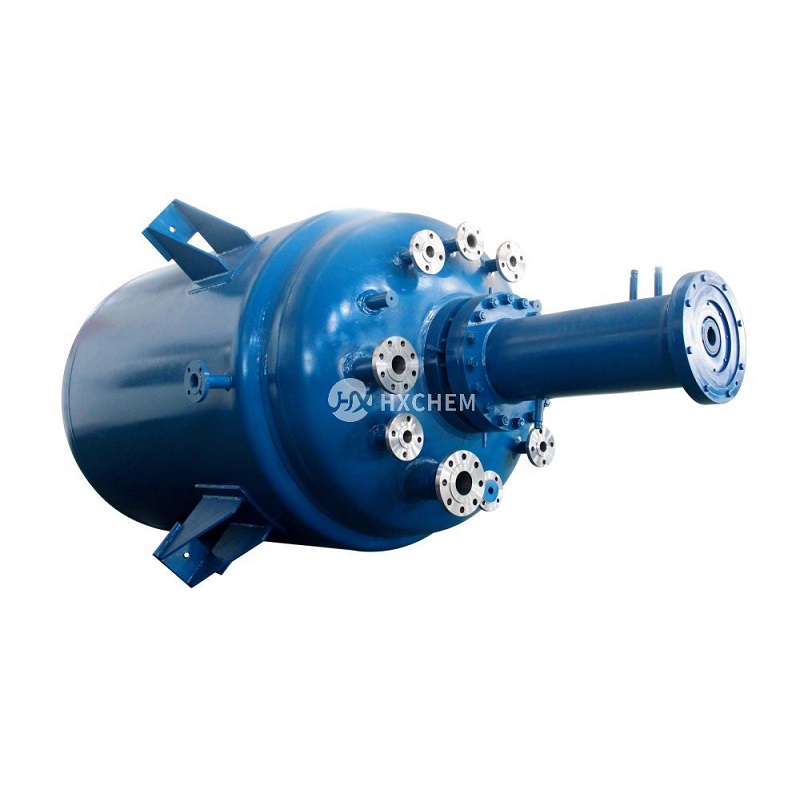
Non ferrous metal reactor material selection
Weihai Huixin Chemical Machinery Co., Ltd. (also known as HXCHEM) is a established Chinese manufacturer specializing in the design and fabrication of high-quality reaction vessels and pressure equipment . Founded in 2005, the company is located in Weihai City, Shandong Province, a coastal region in Eastern China with excellent logistics connecting to major ports and airports
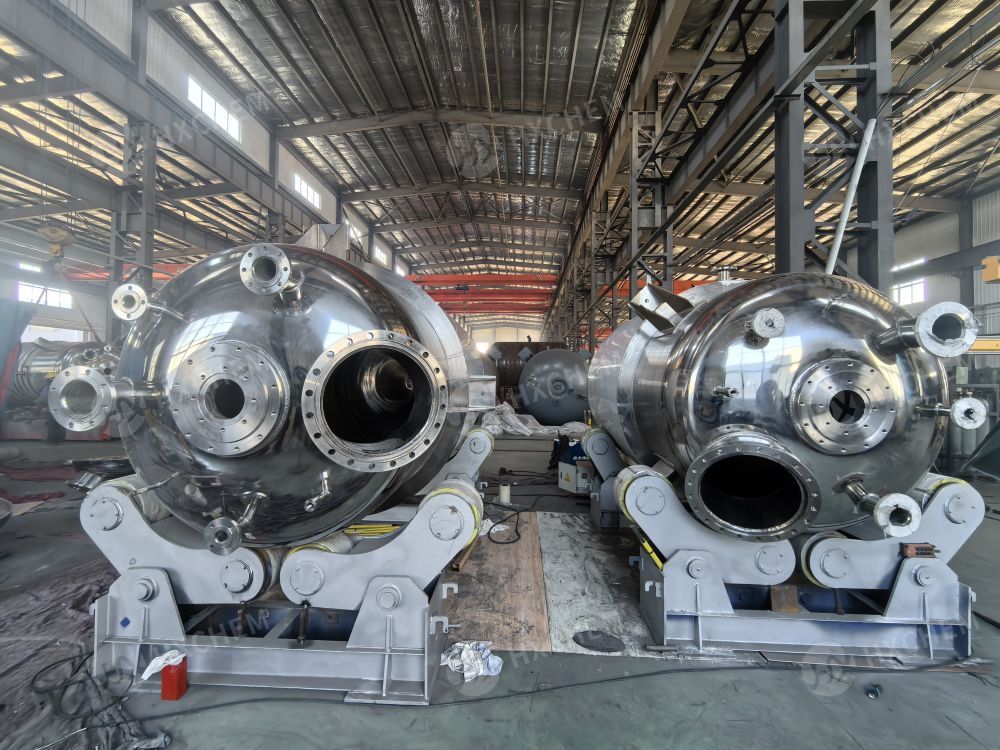
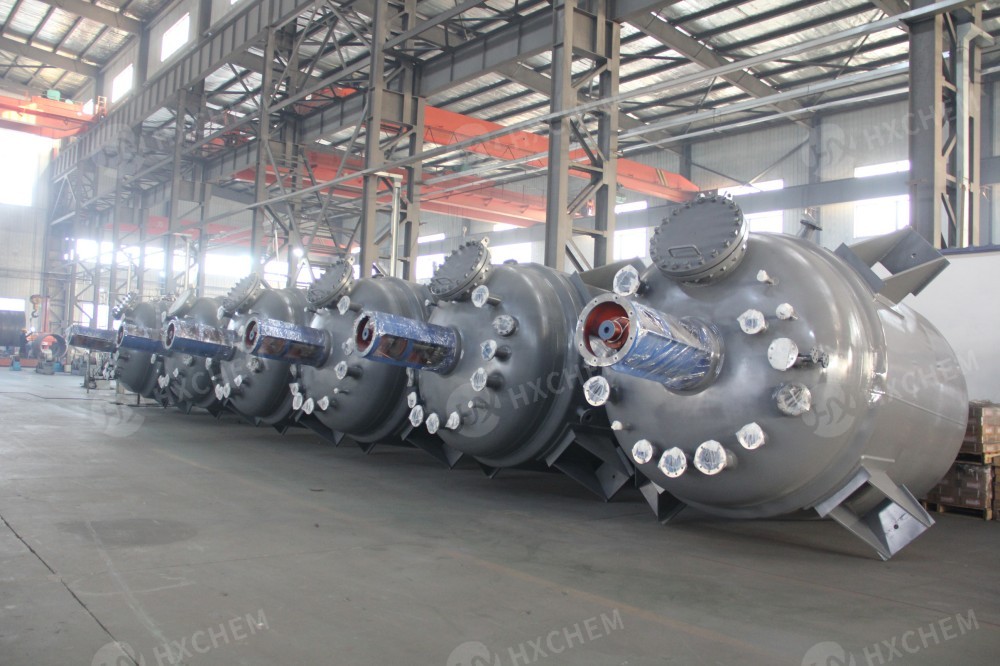
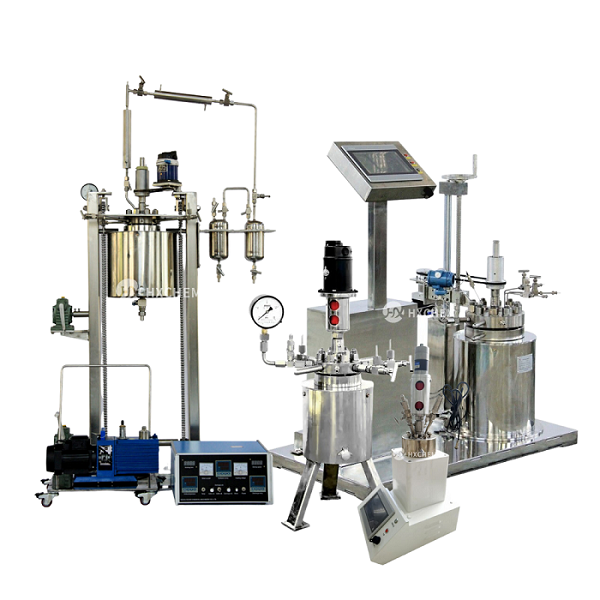
The company focuses on the research, development, and manufacturing of magnetically driven stirred reactors (autoclaves) and separation/extraction systems for laboratory, pilot plant, and industrial-scale applications. Their product range includes:
Laboratory-scale reactors: Compact, precision-engineered systems for R&D and process development.
Pilot plant / bench-scale reactors: Scalable systems for process optimization .
Industrial-scale reactors & pressure vessels: Custom equipment for demanding chemical processes such as polymerization, hydrogenation, and sulfonation.
Technical Expertise & Certifications
Material Expertise: The company has extensive experience in selecting and fabricating equipment from high-performance alloys, including stainless steel (304, 316L, 321), duplex steel, titanium, nickel, Hastelloy, Monel, and Zirconium. This makes them a relevant partner for projects requiring the non-ferrous metals discussed earlier
A Guide to Selecting Reactor Materials
Choosing the right material for a reactor is essentially about finding the optimal balance between chemical resistance, mechanical properties, and economic cost. No single material is universal; the best choice depends entirely on your specific reaction medium, operating temperature, and pressure. Below is a comparative overview of five common specialty reactor materials, outlining their core advantages, typical applications, and key considerations.
🧪 Selection Guide for Five Specialty Reactors
| Material | Core Advantages | Typical Applications | Key Considerations |
|---|---|---|---|
| Hastelloy C276 Reactor | Exceptional All-Round Corrosion Resistance: A nickel-molybdenum-chromium alloy with one of the most comprehensive corrosion resistances available. It offers outstanding resistance to wet chlorine gas, various concentrations of chlorides, oxidizing salts, sulfuric acid, and hydrochloric acid (at low to medium temperatures). | Ideal for complex conditions involving both strong oxidizing and reducing media. Commonly used in processes involving wet chlorine gas, chlorinated organics, or highly corrosive reactions in pharmaceutical and fine chemical industries. | May experience selective corrosion in very specific, highly oxidizing environments, but its application range is exceptionally broad. |
| Inconel 625 Reactor | Combines Corrosion Resistance with High-Temperature Strength: The synergistic effect of chromium (20-23%) and molybdenum (8-10%) allows it to resist both oxidizing and reducing media. It maintains excellent strength up to and beyond 600°C, with superior creep resistance and thermal fatigue resistance. | Demanding conditions involving high temperature + corrosion. Examples include reactions in concentrated sulfuric acid at 90°C, steam methane reforming, high-temperature oxidation processes, and processes containing sulfur or chlorides at elevated temperatures. | Cost is very high. Typically selected only when standard stainless steels like 316L are inadequate for high-temperature, high-pressure, and highly corrosive environments. |
| Duplex Steel Reactor | High Strength + Resistance to Stress Corrosion Cracking: Yield strength is approximately double that of common austenitic stainless steels (like 304/316L), allowing for thinner vessel walls and potential cost savings. Exhibits excellent resistance to chloride stress corrosion cracking and superior resistance to pitting and crevice corrosion. | Ideal for environments with high chloride concentrations, such as seawater handling, offshore platforms, and the chlor-alkali industry. Also used in large-scale storage and reaction equipment, like distillation columns in ethyl acetate plants. | Can become brittle with prolonged exposure around 475°C. Therefore, it is not suitable for high-temperature reactions requiring long dwell times in this temperature range. |
| Titanium Reactor | Superior Surface Passivation: Forms an extremely stable and dense oxide film on its surface, providing exceptional corrosion resistance. It offers outstanding resistance to chlorides (especially wet chlorine gas), hypochlorites, seawater, most dilute acids, and alkaline solutions. | Preferred for applications demanding extremely high product purity, such as in pharmaceutical, food, and semiconductor industries. Commonly used in processes involving chloride ions or strong oxidizing media like nitric acid. | Strictly prohibited in anhydrous, strongly oxidizing environments (like fuming nitric acid), concentrated nitric acid (>98%), and dry chlorine gas. In these environments, the protective oxide film cannot form, leading to rapid corrosion. |
💡 A Decision Framework for Non-Ferrous Materials
With these high-performance options, the selection process becomes more critical. Use this structured approach:
Step 1: Define the "Worst-Case" Chemical Environment
Nitric Acid (Oxidizing): Titanium or Aluminum are excellent.
Hydrochloric Acid (Reducing): Zirconium is the premier choice. Hastelloy C276 can be used at lower temperatures/concentrations.
Sulfuric Acid: Zirconium performs exceptionally well up to very high concentrations and boiling points. Tantalum is also an option.
Chlorides (Cl⁻): Titanium is often the first choice. Nickel alloys (C276) are also excellent.
Fluorides (F⁻): This is a critical limiter. Zirconium and Tantalum are severely attacked by fluorides. Nickel alloys or specialized titanium alloys (like Grade 7) are often required.
What is the most aggressive chemical present, at its maximum concentration and temperature?
Presence of Halides (Cl⁻, F⁻)?
Is it a Strong Acid?
Step 2: Prioritize the Performance Requirement
Absolute Product Purity (e.g., Pharmaceuticals, Semiconductors)? This often pushes the choice toward materials with the most inert surfaces: Tantalum (ultimate choice) > Titanium > High-performance Nickel Alloys. The goal is zero metal ion contamination.
Resisting a Single, Highly Aggressive Acid (e.g., boiling HCl)? This is a problem for many metals, but the solution is clear: Zirconium is specifically designed for this.
Withstanding a Complex Mixture (e.g., Oxidizing & Reducing Agents)? This calls for a versatile "workhorse" like Hastelloy C276.
Step 3: Integrate Mechanical & Physical Needs
Is the reaction at very high temperature (>500°C)? Inconel 625 is a strong candidate for its high-temperature strength. Most other non-ferrous options (like Titanium or Aluminum) lose strength rapidly.
Is weight a critical factor (e.g., for vessel supports or portable equipment)? Titanium offers a significant advantage over steel, zirconium, and tantalum.
Is extremely high thermal conductivity needed for heating/cooling? Aluminum is excellent. If corrosion resistance is also needed, a Tantalum liner on a conductive base metal can be a solution.
Please visit product page for more information
-
![Hastelloy C276 cladding pressure reactor]()
Hastelloy C276 cladding pressure reactor
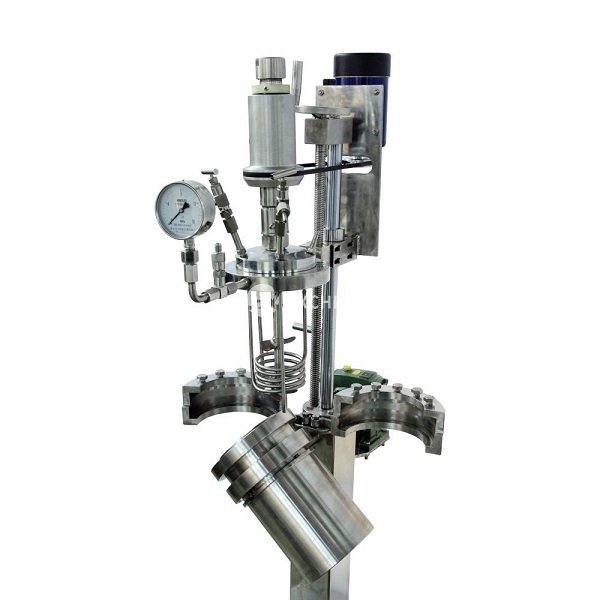
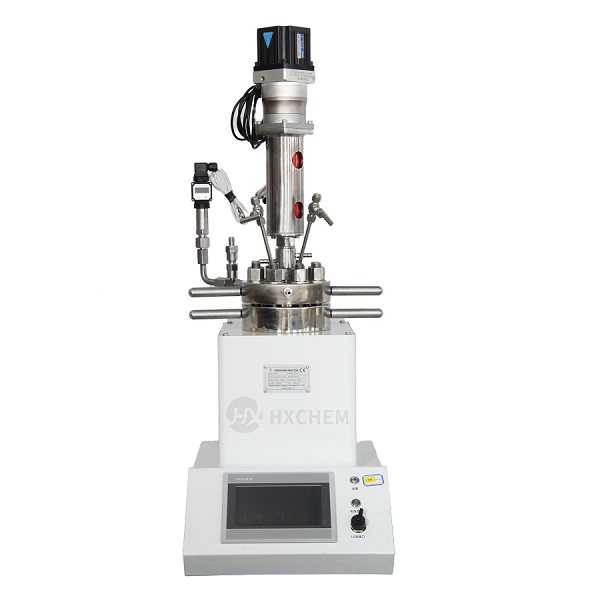
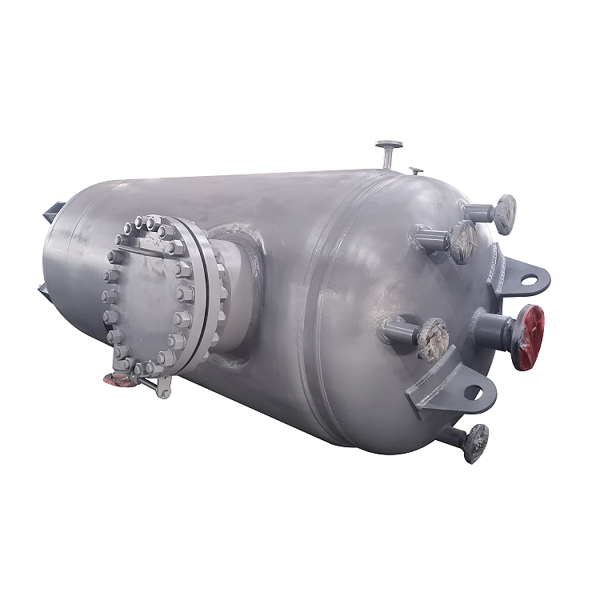
Hastelloy C276 reactor: Hastelloy alloy pressure reactor/Hastelloy autoclave reactor / Lab Hastelloy reactor / Anti-acid Hastelloy reactor / Hastelloy hydrogenation reactor / Industrial Hastelloy Reactor/ Hastelloy cladding pressure reactor
More